

Denmark became very fashionable back in the Noughties, thanks to the proliferation of television drama produced by the small Nordic country. First came the craze for the Faroe jumpers, then for hygge, then came the anti-hygge reaction, and the publishing industry moved on. Yet the British continue to visit, almost a million now travelling to the country every year; I was there last week, visiting for a fathers and sons holidays, and once again had a lovely time.
Indeed I think it’s probably the best country in the world, and I was glad that Britain was among seven neighbours which stood behind the little kingdom as it faced threats over Greenland. I even came close to putting a flag in my Twitter bio, but luckily the feeling passed. In that spirit, I’ve crafted a Buzzfeed-style listicle of reasons to love our friends from across the North Sea.
Denmark is the least corrupt country in the world. Danish diplomats at the UN in New York always pay their parking fines, which is often used as a test of how corrupt a political culture is. It’s the same with the London Congestion Charge, which is routinely ignored by most embassies, with pretty much every country having unpaid charges - except Denmark and Finland.
Denmark is such a high trust society that mothers leave their prams outside restaurants, with their babies inside (which I didn’t see, admittedly). People in most other countries find this baffling, which is why Anette Sorensen was arrested on holiday in New York in 1997 after leaving her 14-month-old girl in a stroller. It’s also far more common for children to walk the streets unaccompanied there.
On top of this, a quarter of Danish children aged between 7 and 14 have part-time jobs, something which is hugely important for later social development.
Denmark is the second happiest country in the world, according to those studies which I don’t really believe, usually because they place the Finns at the top. One reason for this may be the Danish tendency for what in Britain would be called the ‘mustn’t grumble’ mentality – which itself is a good thing.
Certainly, Danes are among the most optimistic people in Europe right now, although admittedly that’s not hard.
Denmark has given the highest proportion of its GDP to Ukraine since 2022.
Denmark is also second in the Atlantic Council’s Prosperity Index.
Although unable to resist, the Danes famously behaved with great humanity under Nazi occupation, managing to ferry almost their entire Jewish population to the safety of Sweden.
Denmark is a world leader in wind power – almost half of their energy now comes from renewable sources.
England and Denmark share a national epic, Beowulf. That is because, of course, the ancestors of the English arrived from Denmark and northern Germany, reinforced centuries later by the rather unwelcome arrival of the Vikings.
During their stay here the Danes added to our vocabulary, adding such words as scream, clasp, anger, bang, berserk, gruesome, hit, screech, scuffle, scream, slaughter, take and skull. It gives some indication of the richness of life that the Vikings brought with them.
The Danes conquered England in 1016, but it seems likely that some Danes fought on the English side at the Battle of Hastings 50 years later, sent by their king, Harold Godwinson’s cousin. There were also hundreds of ‘settled Danes’, the descendants of Vikings who lived in the Danelaw and were evolving into Yorkshiremen.
Although less combative than their Viking ancestors, they’re still a virile people, and today Danish men provide almost half of all non-British male ‘reproductive material’ imported into the country.
Denmark also provides 74 per cent of the insulin used by Americans.
The Danes are behind the 21st century’s wonder drug, Semaglutide, probably the stand-out drug of the decade due to its huge success in reducing obesity as well as many other conditions. Its health benefits seem to be immense, and people who took the drug were also 33 per cent less likely to die from Covid, and 19 per cent less likely to die prematurely of all causes. The drug, under the brand name Ozempic, also seems to be associated with a reduced risk of Alzheimer’s.
Semaglutide may be one of those rare drugs which drastically changes the face of society, quite literally, and it’s even suggested that the drug is saving airlines huge amounts of money because people weigh less. Novo Nordisk, the company which produced Ozempic, overtook the Danish economy in total value in 2024.

Injection moulding was first developed in the 19th century but it was only during the Second World War that its use exploded. Soon after the conflict, furniture maker Ole Kirk Christiansen bought an injection moulding machine for the use of his small toy company, Lego, from leg godt – play well. Those of us raised in the 1980s will remember it as a big part of our childhood, but in recent years has grown to gigantic proportions. Millions of parents with depleted bank accounts and sore feet have the Danes to thank.
Denmark, being a sensible, moderate, grown-up nation, has a sensible, moderate, grown-up approach to immigration, unlike the extremists who rule most of western Europe.
This is downstream of their culture of frankness and honesty, and free speech: Denmark has had laws protecting free speech back as far back as 1849.
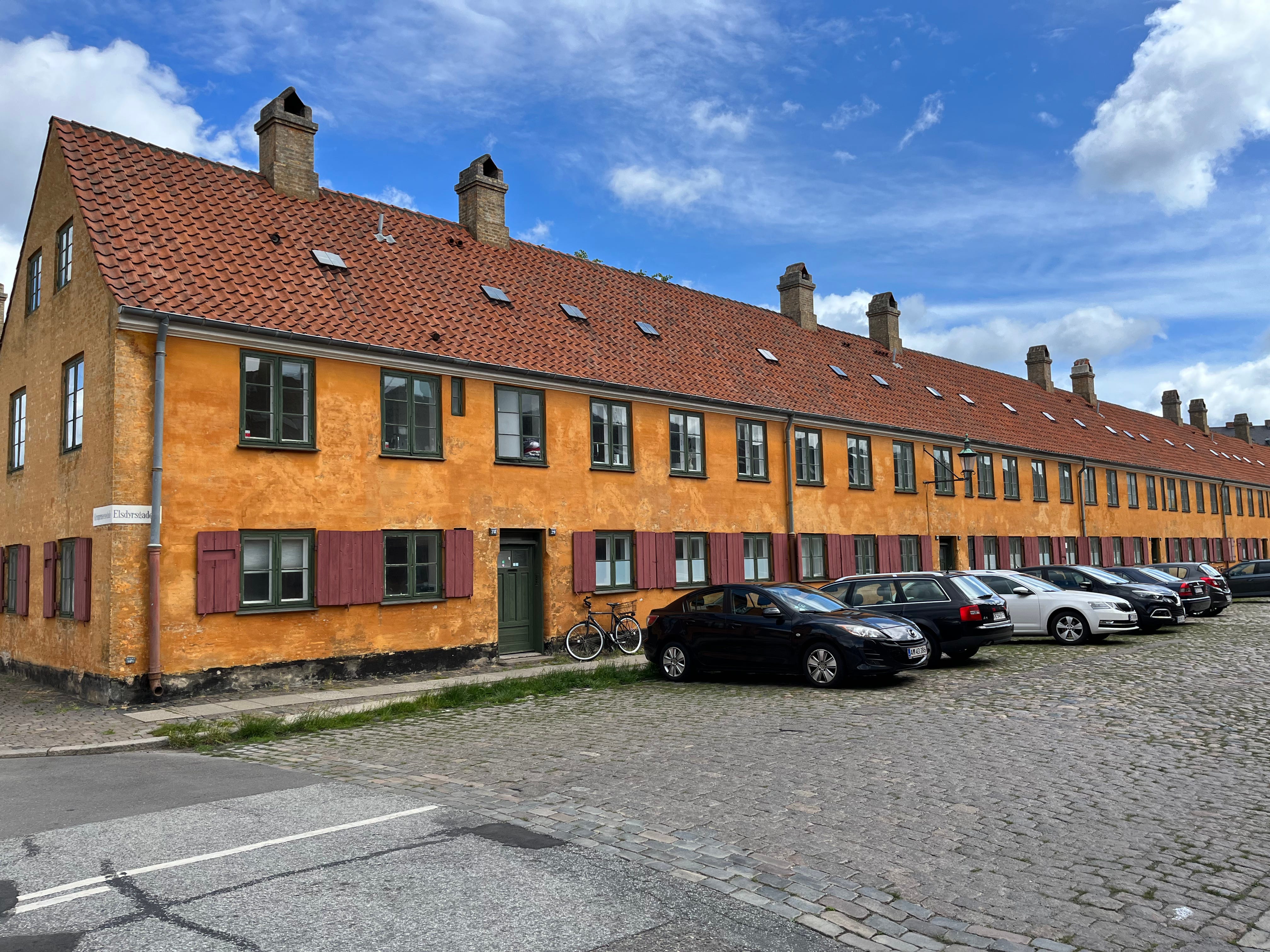
After Argentina invaded the Falklands, Denmark was one of five EEC countries to immediately agree to sanctions, although the other four all joined soon.
Denmark also had the highest casualty rate among American allies in Afghanistan, losing 43 servicemen in the war to avenge 9/11.
Eli Knudsen was the only Allied soldier to have died defending Greenland in the Second World War, fatally wounded in an exchange of fire with the Germans. A Danish sledge patrol was later captured, but two Danes managed to escape, along with a prisoner, and reported the German location to the Americans, who bombed it to smithereens.
In How To Be Danish, Patrick Kingsley wrote about Denmark’s 70 folk high schools, which are attended by about one in ten adults, of all ages. Indeed it’s not uncommon for people to die of old age while enrolled, which Danes apparently consider a good death. Perhaps there is some sort of social democracy version of Valhalla where those who died in the middle of adult education go to.
The Folk High School was the brainchild of Danish national hero Nikolai Grundtvig, who coined the concept of folkelighed, or what historian Knud Jespersen called ‘mutually committed community’. Jespersen wrote in A History of Denmark that ‘The key concepts in this were folkelighed, tolerance, openness and liberal-mindedness: the means were enlightenment and committed dialogue.’
Woke Denmark was the first country to abolish the slave trade, in 1792, although slavery itself wasn’t phased out until much later.
In 1989 Denmark also became the first country to legally recognise same-sex partnerships.
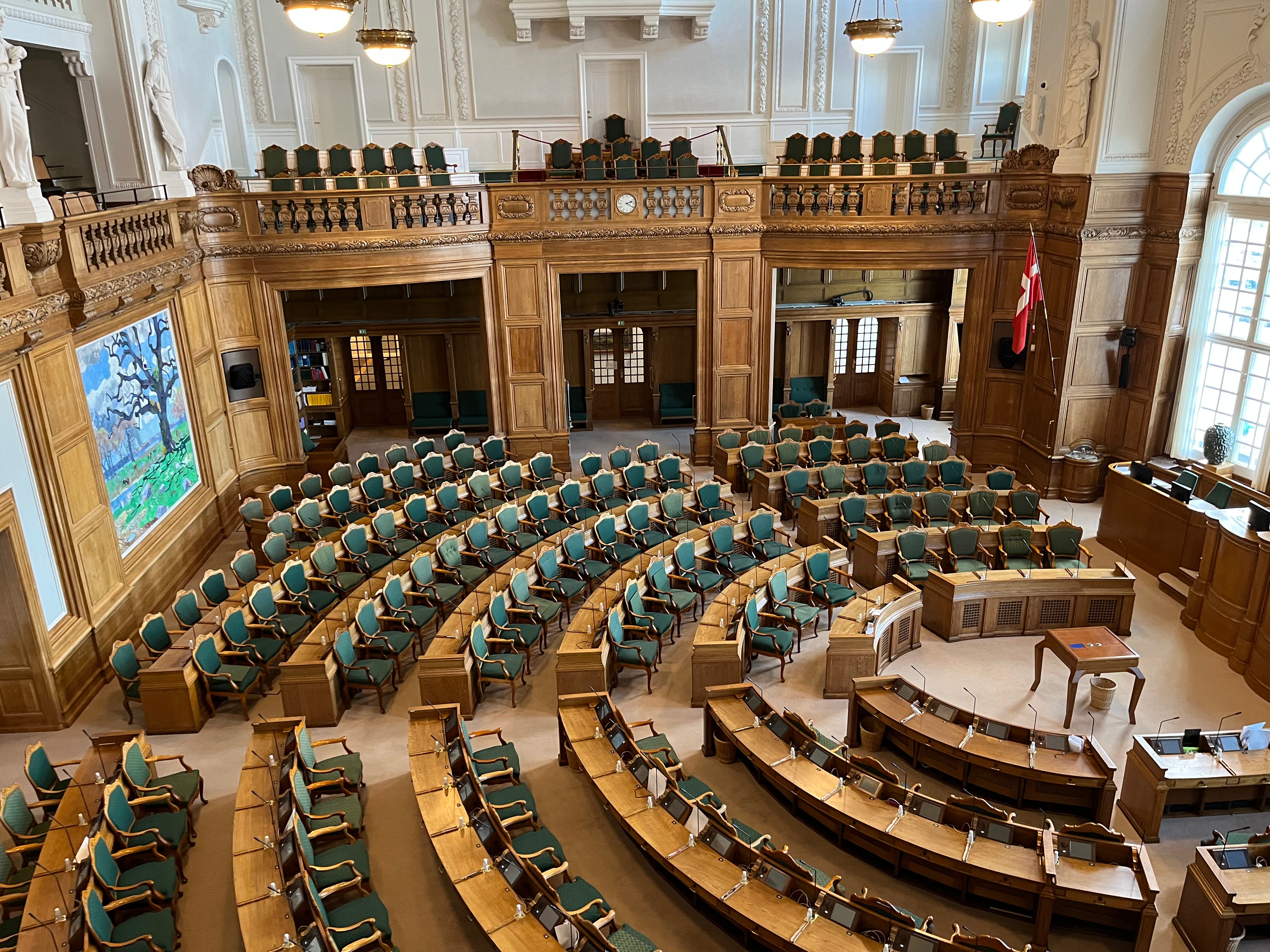
Copenhagen was recently rated as the world’s most liveable city.
It is also one the best cities for cycling, up there with Amsterdam, and as with Amsterdam, this was a conscious decision taken in the 1970s when car use was at its highest point – as were road deaths. They started with car-free Sundays, and after people saw how much it improved city life, they built hundreds of miles of segregated cycle lanes and now the majority of people cycle to work. We had a lovely ride around the city centre.
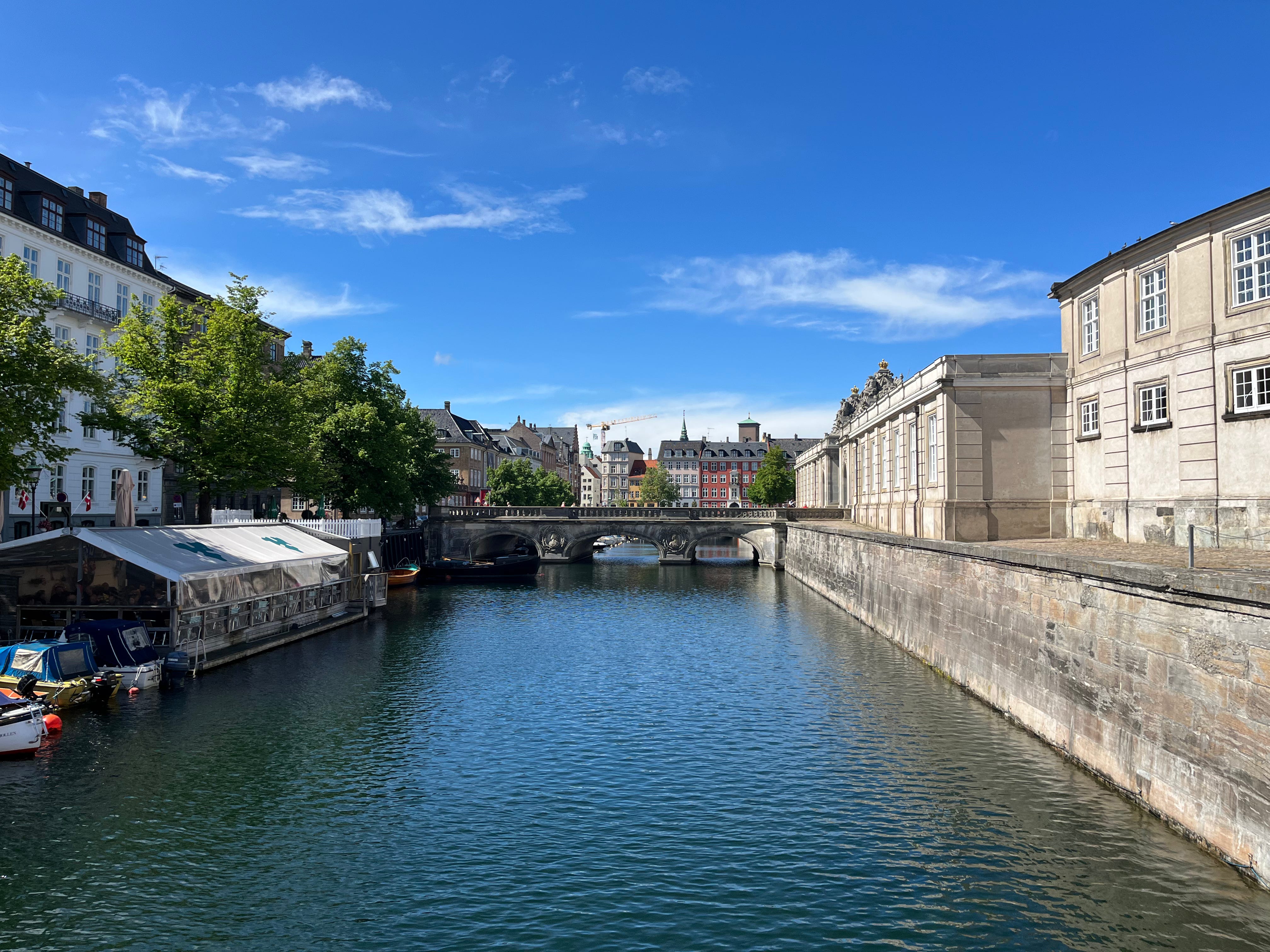
Danish teenagers drink more than any other country. As many will have seen in Another Round, a charming, heart-warming film about four middle aged men descending into alcoholism, Danish teenagers celebrate their exams with booze ups- the studenterkørsel - in which they celebrate by riding around in lorries, dressing up as sailors, and drinking loads of beer.
The Danes have the second largest homes in Europe, and the and the most number of second homes. If you’re into continental house porn on Instagram, you’ll have noticed how cheap they are.
Despite the Reformation and secularisation, the Danes maintain a calendar that was lost in England. They hold celebrations on Sankt Hans, as well as Fastelavn (Shrovetide), when they hit a barrel filled with sweets, Store Bededag (Great Prayer Day), held on the fourth Friday after Easter; and Mortensaften (St Martin’s Day) in November, when they eat duck (as is common in much of continental Europe).
There are usually flags involved, as the Danes love their flag. They apparently spend more per capita on flags than everyone else, and every birthday is celebrated with one; when we went to the excellent Kronborg restaurant in Copenhagen last week and mentioned that it was my son’s birthday, the waitress brought out a little Danish flag for the table, having apologised that there were no English ones available.
The Danes are notably impressive at building infrastructure. Perhaps most famously, because of the popular Nordi noir crime drama, the Øresund or Öresund Bridge, depending on which Scandinavian diacritic you prefer, links Denmark and Sweden both by road and rail. They’re also building a new high speed train between Copenhagen and Hamburg via another tunnel.
Land reclamation is another speciality, and when housing became sparse in Copenhagen, they decided to build a new island in the city. Indeed, while Denmark lost 40 per cent of its land to Prussia after the war of 1864, according to Michael Booth’s The Almost Nearly Perfect People, ‘by 1914, Denmark had effectively replaced the hectares it had lost to Germany with fresh, farmable arable land.’ If only the French had adopted this approach rather than whining about Alsace-Lorraine.
The secret to Denmark’s success is their high trust and sociability, and Booth also wrote how, ‘according to the Danish think tank Mandag Morgen, they belong to more associations, clubs, unions, societies and groups, and have larger social networks, than any other nationality – 43 per cent of over-sixteens belong to something or other… There are 83,000 local and 3,000 national societies and associations in Denmark – on average every Dane belongs to three. Over a third belong to a sporting club or association. These range from your common-or-garden leisure-orientated groups – the Bittern Spotters Club, say, or the Danish Flødeboller Association – to the still-powerful trade unions, which have a combined membership equivalent to a quarter of the population.’
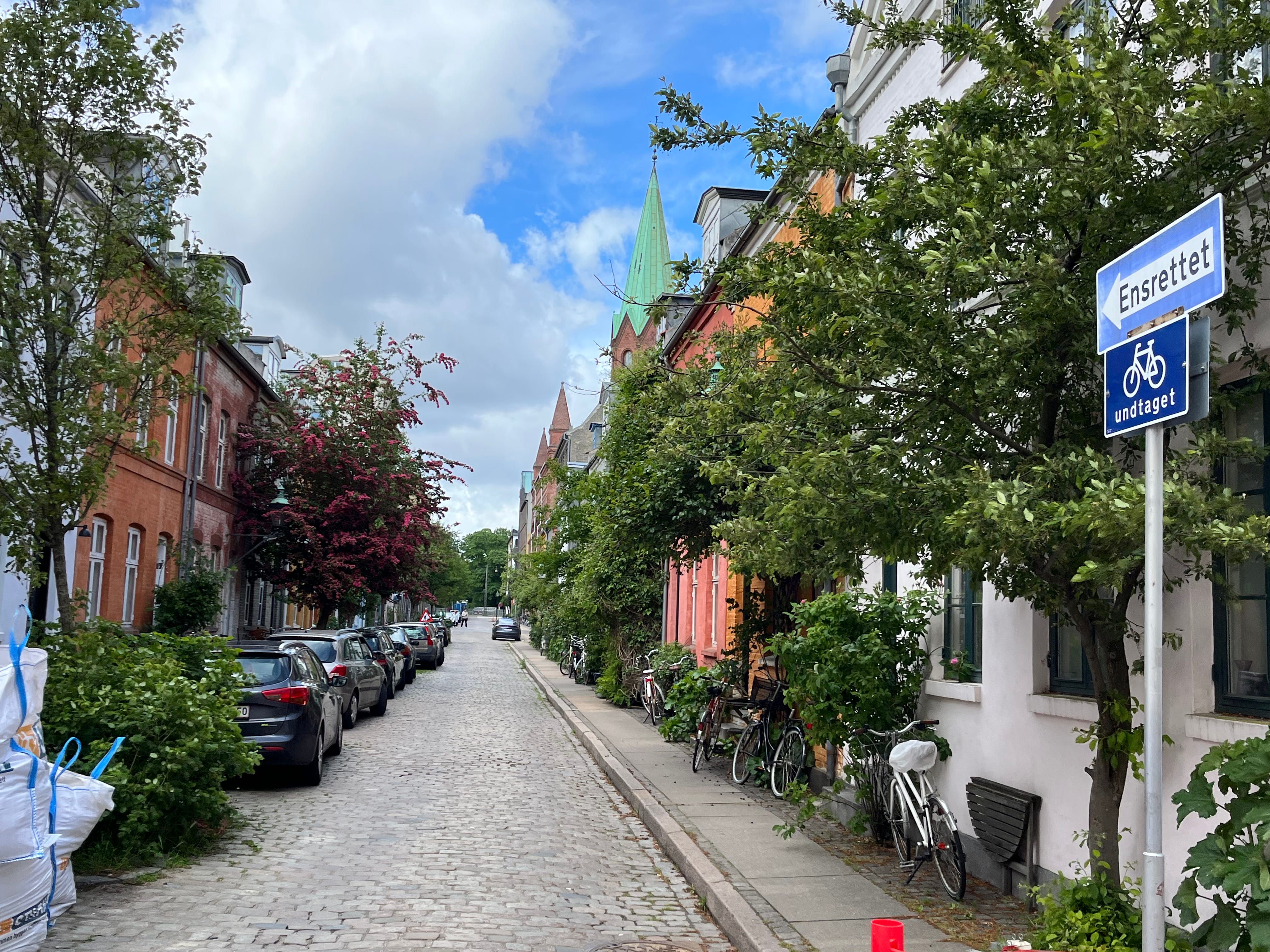
This trust is possible because the people are honest. In a 1996 experiment conducted by Reader’s Digest, where wallets were left around various cities, only in Denmark and Norway were all forty returned. Danish television channel TV2 tried recreating the experiment several years later, at Copenhagen Central Station, but had to give up as people kept on picking them up and running after the journalists to hand them back.
They also have good taste, and in a 2016 survey of attitudes to other countries, Danes rated Britain as their favourite of 34. They also placed the United States as their sixth favourite, but alas I’m afraid that has probably fallen a bit. Still, as far as we’re concerned, the feeling is mutual. Tak!
Great country, terrific people. Travelling through Latin America 25+ years ago, I met four Danes separately all of them to a man and woman among the worst people I'd ever met. Subsequent to that, once again living back in Europe, I met many more, visited Copenhagen and the situation was reversed. I figure that the worst are simply sent to places like Ecuador and Guatemala to get rid of them.
As for "Another Round" - a splendid film. A Viking Epic for middle-aged suburban men everywhere.
Take a look at your list of Dane-words and clasp your skull in shame!