

Good morning. This substack is now paused until the end of the year, during which time no payments will be taken out of your bank accounts. If your annual subscription is due to end in January, for example, it will now end in March. I may send the occasional free post during the break, but then again, I may not. If you have questions, please contact me via email, Twitter or the substack direct message function, and I’ll be happy to deal with any problems or queries.
As is tradition, here is a brief round-up of recent pieces.

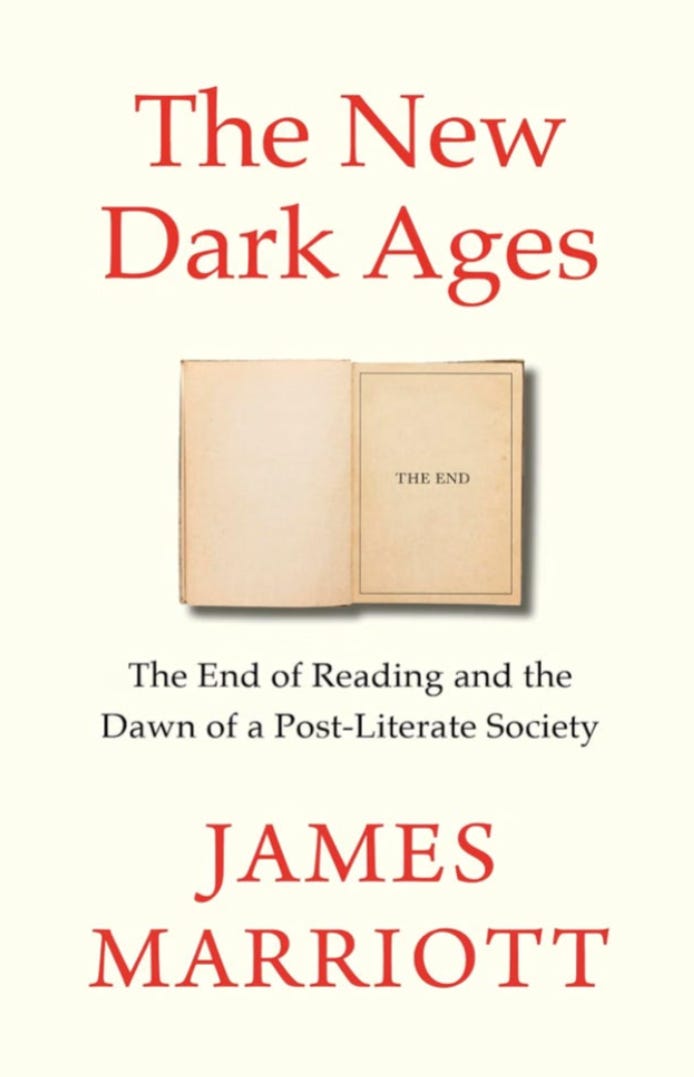
The post about James Marriott’s The New Dark Ages was my second most read ever. (Number one is a piece about the global fertility crisis, and number three about Dutch sounding amusing to English speakers).
There were lots of things I had to cut out of the piece, for space. I especially like where Marriott mentions one…
… significant craze that erupted while I was writing this book was for videos in which AI-generated animated characters with vegetables for heads enacted brief soap-operatic (and sometimes faintly pornographic) emotional dramas. The inanity of these videos is surely unprecedented in human culture. The curvaceous Mrs Strawberry-head has an affair with the handsome and expensively-suited Mr Banana-head. In another, a bulkily muscled homophobic character with a tangerine for a head expels his gay son (also with a tangerine head) from his house. The tangerine family scream at one another. Windows smash. At the end of it all President Abraham Lincoln appears in the bathroom snogging Mr Tangerine-head’s wife. Such stuff makes a Salvador Dali canvas look like an oasis of rationality and order.
On the subject of television shows spelling everything out to viewers:
In a scene in the number one ranking Netflix film Irish Wish Lindsay Lohan’s character informs her lover that, “We spent a day together … I admit it was a beautiful day filled with dramatic vistas and romantic rain, but that doesn’t give you the right to question my life choices. Tomorrow I’m marrying Paul Kennedy.” To which he replies: “Fine. That will be the last you see of me because after this job is over I’m off to Bolivia to photograph an endangered tree lizard.” It would be churlish to deny the dramatic possibilities of endangered tree lizards but the imperative of holding a distracted audience seems to be degrading much of the entertainment industry to an almost Primary School level of artistic sophistication. It is hard to sustain interiority or nuance in a film in which every action must be clearly sign-posted and explained to a half-focused audience. Of course, not every Netflix film needs to be a Chekhovian masterpiece of insinuation and subtext. But we do need to worry about the prospect — and I think it is an increasingly plausible one — of basic grown-up complexity draining out of our culture entirely.
Marriott argues that illiteracy tends towards despotism, because:
Print puts the voices of ordinary people on a more equal plane with those of their social superiors. If you get into an argument in court you are likely to defer unquestioningly to the point of view of a well-dressed cousin of the king. In a newspaper the smart and witty opinion of a merchant or a craftsman can trump the dim-witted musings of a well-connected dignitary. One of the important features of the public sphere was what Habermas called the “authority of the better argument”. The emotional, pre-rational and mystical visual language of power was being replaced by a critical literate language. Hence a clever philosopher like Voltaire could influence government policy just by writing about it.
I suppose the counter to that argument is that AI is going to hugely reduce the power of certain clerisy groups, such as civil servants, who can now be challenged by intelligent outsiders. There may be both a tendency towards large swathes of the population becoming numb, while a significant minority becomes better informed via an information revolution; the debate over welfare and social housing has already been hugely influenced by this trend.
My own view is that the decline of Protestantism partly explains the state of literacy as much as its rise did. A year or so back, there was a video going around in which pro-Palestine protesters were asked what ‘from the river to the sea’ referenced, to which none of them could answer. I imagine that a century ago, a more Biblically literate public would have known.
In his critique of Marriott’s book, Henry Oliver made the point that ‘it is my suspicion that what a lot of people who agree with The New Dark Ages’ description of modern culture really regret is not the death of print but the winnowing of upper-middlebrow culture: BBC documentaries, intellectuals on talk shows, Kenneth Clark, Melvyn Bragg, that sort of thing.’
In my case that is absolutely true, but one might also argue that the two things are linked: that the high-minded documentary making of the 1970s was written, produced and commissioned by people who had grown up in a print culture, and this is not true of the generations that followed. As print declined, so television came to serve a population that had adopted a more oral culture, lacking the ability to follow content with the same depth. The decline of reading, and the decline of high-minded, quality television - what Oliver calls the ‘passive high-brow’ - are part of the same trend.
I wrote about the new Charles de Gaulle film. The French do valour with a certain élan, and I’ve long thought there’s a huge market for paperback non-fiction or documentaries about France’s equivalent of the SAS.
I also liked the sense of deep history the film evoked, with the General referencing Clovis twice. There is a sense that the Franks had not just laid the foundations for France, but saved western Christendom, and would do so again, famously two centuries later at Tours.
De Gaulle, incidentally, has the record for the number of assassination attempts.
I also wrote about what the world would look like if France had won in 1940. I imagine the scenes in Paris in 2026 might look rather different.

I wrote about 9/11 and the ‘frontlash’. It’s something I thought about a couple of years back while watching Come from Away, the heartwarming comedy musical about passengers stranded after 9/11. If you didn’t come out of it beaming with goodwill, you’re a sociopath.

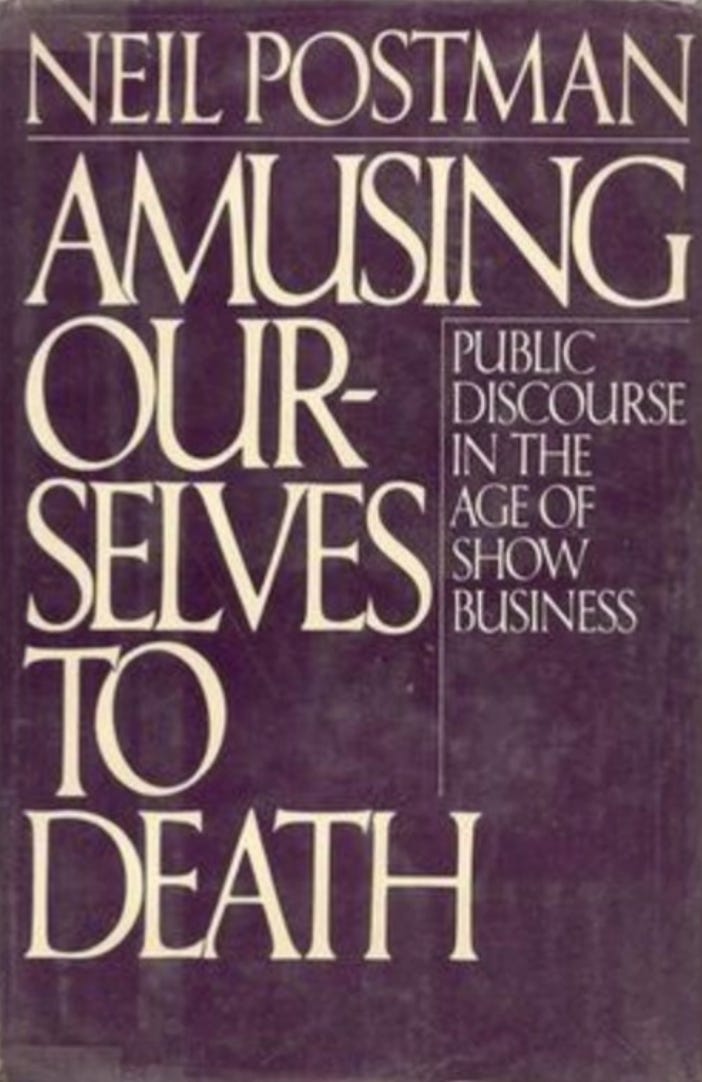
I wrote about Neil Postman’s Amusing Ourselves to Death. In his book, he compared the two great mid-century dystopias, and it’s worth mentioning that George Orwell conceived his during wartime Britain, when it looked like the future was Soviet, whereas Aldous Huxley lived in California, which actually was the shape of things to come. Pleasure would be our downfall, not pain.
Postman actually opposed quality television making, since it ‘serves us most usefully when presenting junk-entertainment; it serves us most ill when it co-opts serious modes of discourse – news, politics, science, education, commerce, religion – and turns them into entertainment packages. We would all be better off if television got worse, not better. “The A-Team” and “Cheers” are no threat to our public health. “60 Minutes,” “Eye-Witness News” and “Sesame Street” are.’
This seems rather Leninist for my tastes, and, as mentioned, the decline of high-quality documentary making has only made the culture worse. As it is, television drama got much better afterwards, and the 2000s proved to be its golden age.
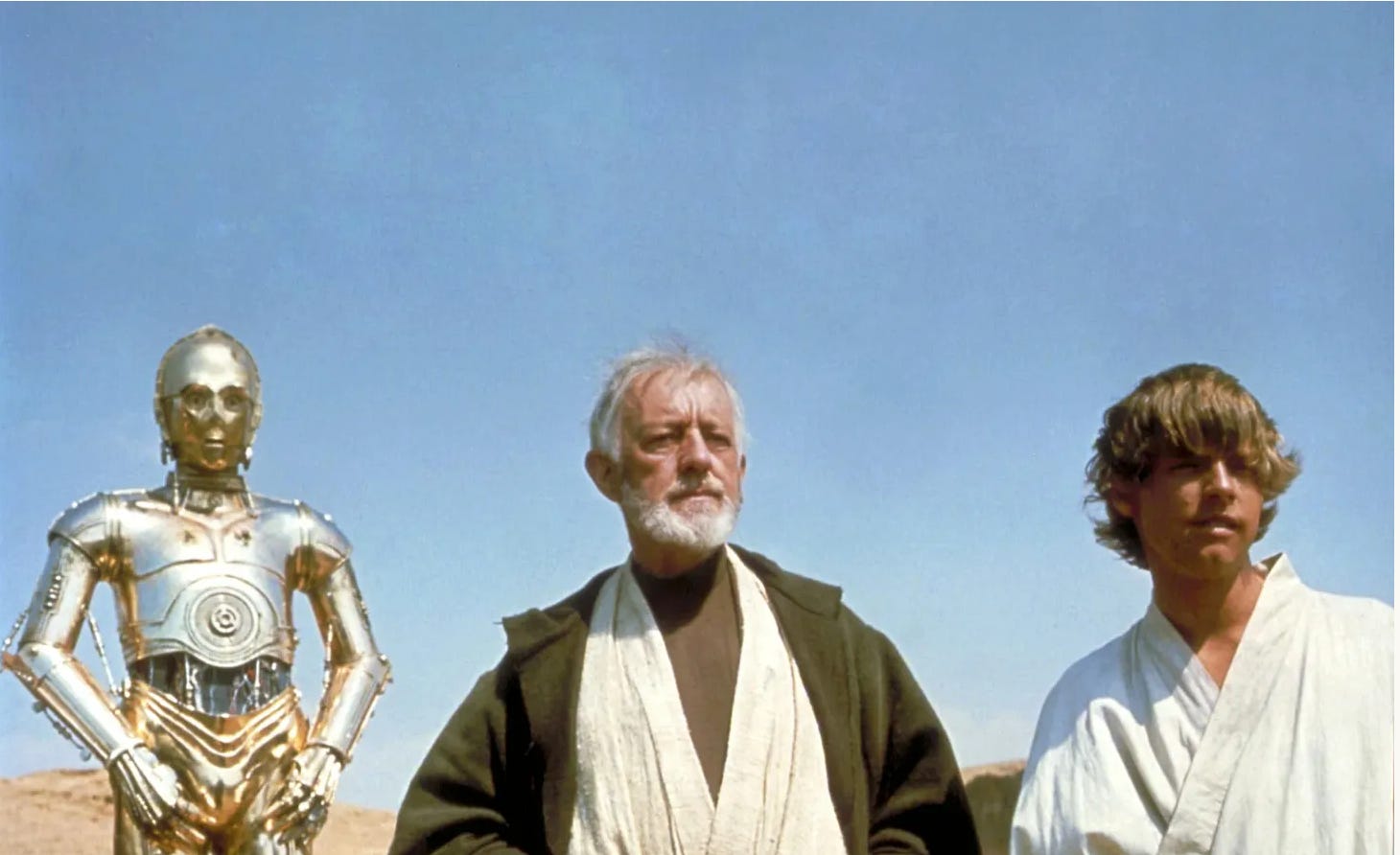
I wrote about protests, in Portsmouth and Piddington. About how most moral panics are quite accurate. I also wrote about the mistake of thinking the underdogs are always right, for which Star Wars must shoulder much of the blame.
I don’t think the British have a natural tendency to support the underdog, although a belief in ‘fair play’ is a more accurate description of our national characteristic, in the sense that the British developed neutral institutions divorced from clan influence, without which it is impossible. This was also the reason for Britain’s growing power.
I did a round-up of the good news from September 2026, and also wrote about how the migrant crisis threatens liberal democracy. I wrote about Lee Kuan Yew, here and here, and about how the Russian threat can send some people a bit doolally.
I also wrote about the nature of political alliances in multicultural societies.
One of our most thoughtful and intelligent MPs today is Adnan Hussain, among the five independents voted into Parliament in 2024. Hussain has recognisably moderate conservative views on a range of issues, including law and order, economic growth, property rights and the vexed subject of Englishness, but the nature of politics in a multicultural society means that he is destined to be an opponent of the Right, just as socially liberal ‘homonationalists’ are to be their allies. In another timeline, where immigration policies had been more prudent and the electoral calculus very different, it might have been otherwise.
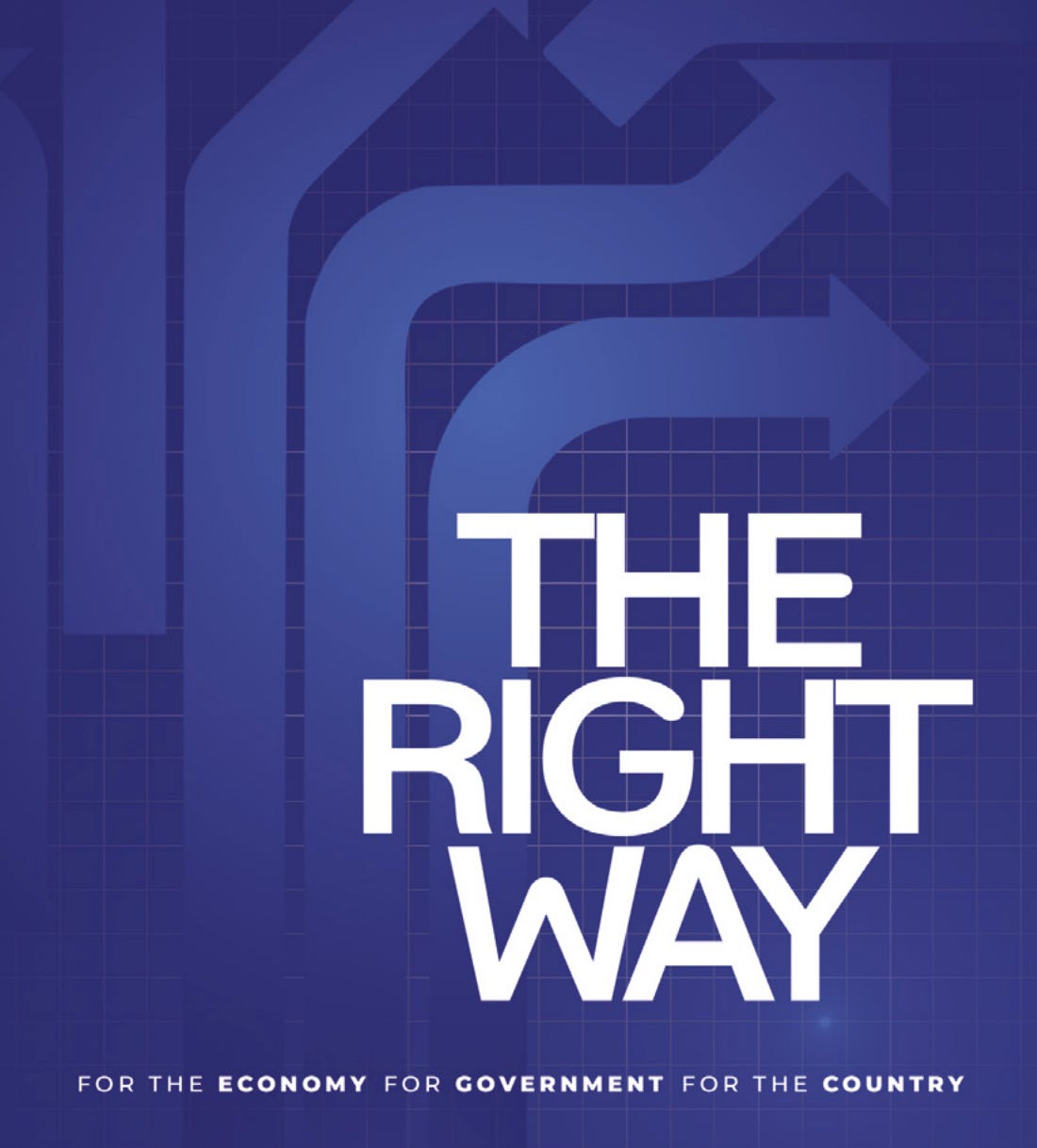
Finally, I was very impressed by the quality of thinkers cited by Kemi Badenoch in her new booklet The Right Way. The piece she cited originally appeared here, so if you want to find out the future thinking of centre-right politics, subscribe to the Wrong Side of History in time for my return at the end of the year. This was sent to me by someone, by the way - I wasn’t searching up my name. Honestly.
Thanks to all those who have subscribed, shared, recommended and tweeted the substack. I’ll be back.
I think the Tories played a couple of blinders at their conference; first the Tapestry which depicted several journalists ensured it got lots of publicity, and then with Kemi's piece citing people like you. Was it Orwell that said you don't have to bribe British journalists because they'll do what you want anyway? It certainly helps if you stroke their egos.
Good luck on your substack break, Ed. I look forward to seeing what it produces.
"The emotional, pre-rational and mystical visual language of power was being replaced by a critical literate language." And this is the general standard of most comments that occur on other news sites: splenetic, subjective, fraught and instinctive rather than rational. And this trend is indulged and put on a pedestal by our modern media complex in the thirst for clicks, for views, and for virality.