

Good morning, folks, and I hope you’ve enjoyed your summer.
I will be pausing the substack for a couple of months starting later in September: if you’re a paid subscriber, you will not pay anything during this period, so please don’t end your subscription, otherwise I will have to go back to pushing trolleys at Sainsbury’s.
I’m taking the time out to concentrate on longer writing projects, which I’ve been meaning to do for a while. I will also be travelling around Britain a bit, although I’m still vague about dates; as I mentioned a few months back, this will include Birmingham, Leicester, the Manchester and Leeds areas, so if you’re from those parts of the world and want to meet, let me know.
I hugely enjoy writing a substack, but I think a break is probably necessary from time to time. In the distant past East Asian administrators would sometimes leave their positions to spend time contemplating in a monastery, a tradition which Lee Kuan Yew sort of followed by taking a sabbatical at Harvard (where he learned the valuable lesson that American elites believe all sorts of wacky stuff about the world).
I will post a few more articles before the pause, including a couple about Lee and Singapore, as well as the decline of literacy (I highly recommend James Marriott’s new book on the subject). I will also publish that long promised Ask Me Anything post, so if you have any more questions, you can send them by email, by messaging on substack, or in the comments, or via direct message on Twitter, or WhatsApp, Signal or carrier pigeon. (Not LinkedIn, though).
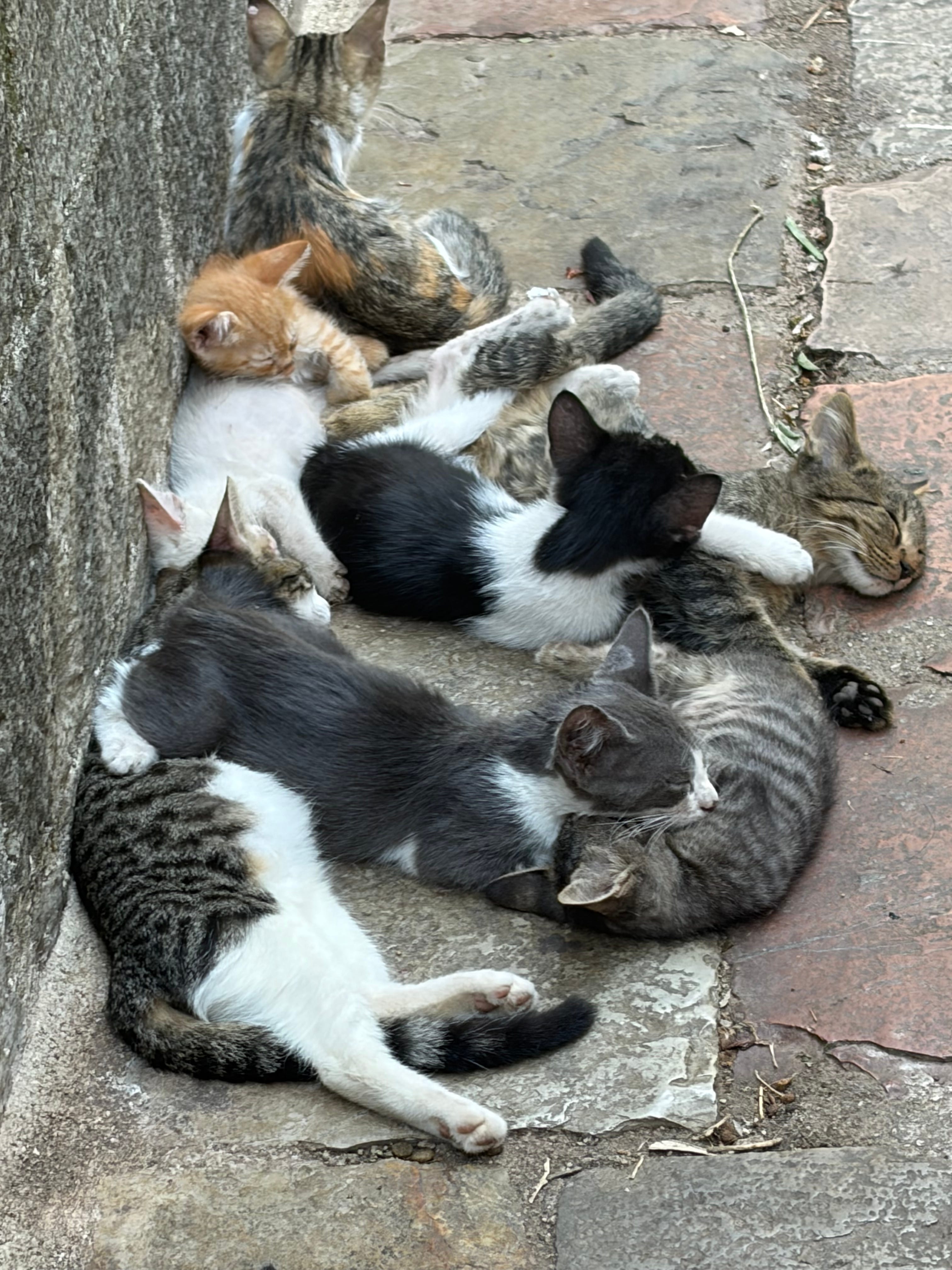
Over the summer we holidayed in Croatia, Bosnia and Montenegro, which was lovely, apart from the endless queuing at borders, often for two hours at a time. Considering that they all speak the same language, have these countries ever considered joining into some sort of federation?
The last time I visited Dalmatia was in 1989, aged 11, too young to understand the danger the country was now in. This time around I read Misha Glenny’s The Fall of Yugoslavia, which describes first-hand the horror that followed. He recalls the menacing bonhomie of Bosnian Serb military leader Ratko Mladić when he went to interview him at his headquarters in Knin, close to where I was staying.
It is mid-morning, but as is my wont from the first morning following my arrival in a town like Knin, I am suffering from a slight hangover. Mladić, never quite able to discard a roguish smile, commands a minion to fetch coffee and refreshment. A few minutes later, the minion pours a coffee while Mladić distributes his homemade rakija. As he does, one of my companions, also still coming up for air from last night, issues a polite refusal. The general is momentarily perplexed and then humorously angry. For a moment, he booms, “I thought you were going to refuse my homemade, which is very funny because nobody refuses my homemade.” Our hangover is thus forced into oblivion. We raise our glasses and down what is undoubtedly one of the best homemades I’ve ever swallowed.
Mladić died last week, while serving a life sentence for war crimes; he and his compatriots committed terrible atrocities during the conflict, although the Serb enclave he inhabited was then effectively ethnically cleansed (having said that, please don’t start arguing about the Balkans in the comments - it will never end, and I don’t have strong opinions either way).
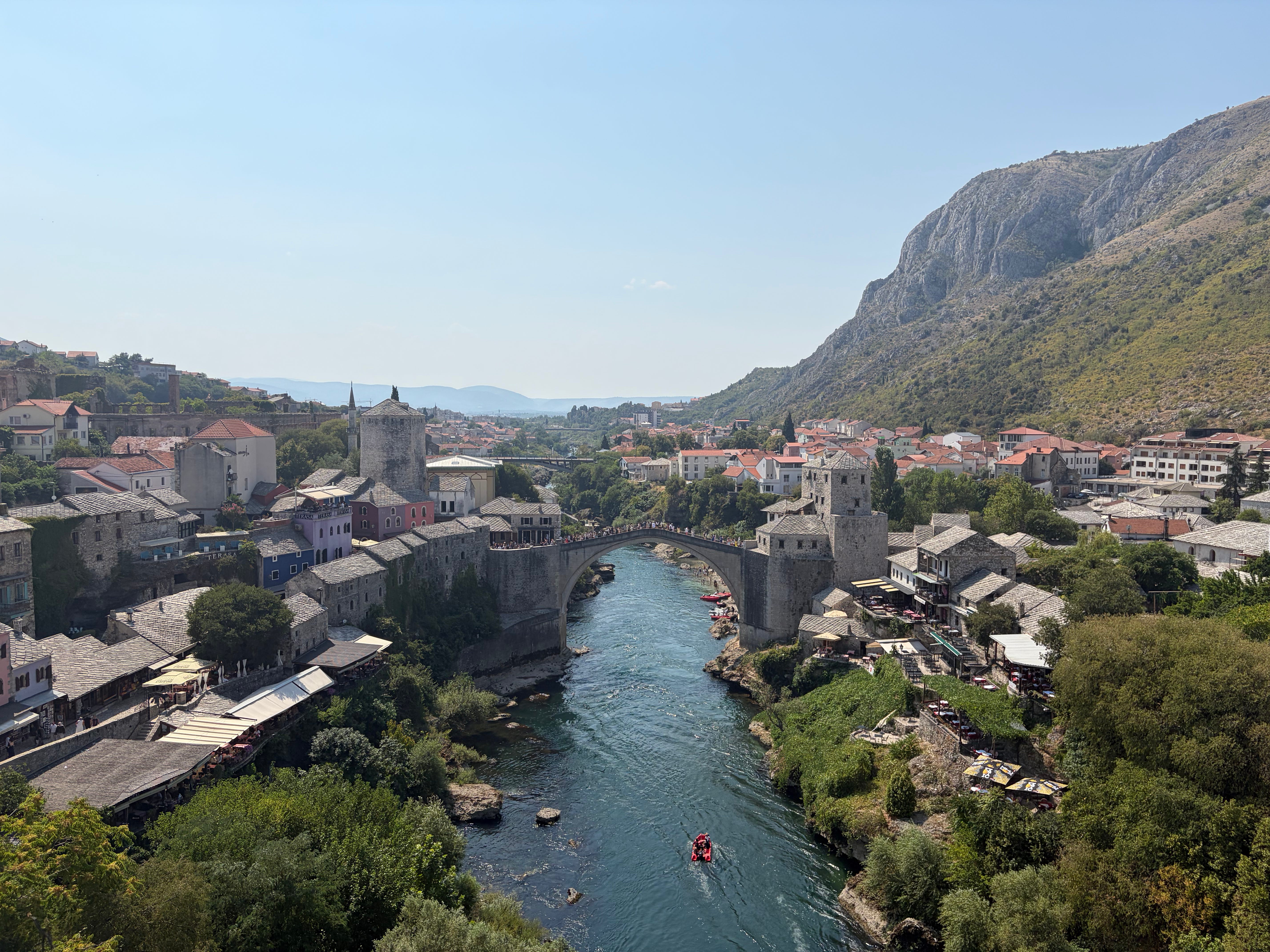
The coastline is beautiful, the sea perfect for swimming, but visiting inland Mostar was a particular highlight. The city attracts huge numbers of visitors from both the west and the Middle East, some of them enjoying a cheeky beer away from the view of the mosque. It must have the highest rate, per square metre, of Instagram girls anywhere on earth, all aiming at the perfect pout from the iconic bridge. If town planners followed my idea of basing architecture designs on Instagram usage, much of the world would look like the Bosnian city.
Mostar was famously damaged in the fighting between Muslims and Croats, and while the bridge has been replaced, many of the buildings are still empty shells riddled with bullets. It was lovely to hear the call to prayer as I ate delicious Turkish-influenced food on the terraces, pondering whether to start my future travelogue with ‘where east meets west’, but the surrounding area feels like it has quite a Northern Ireland vibe, with flags and graffiti making it clear whose villages it is.
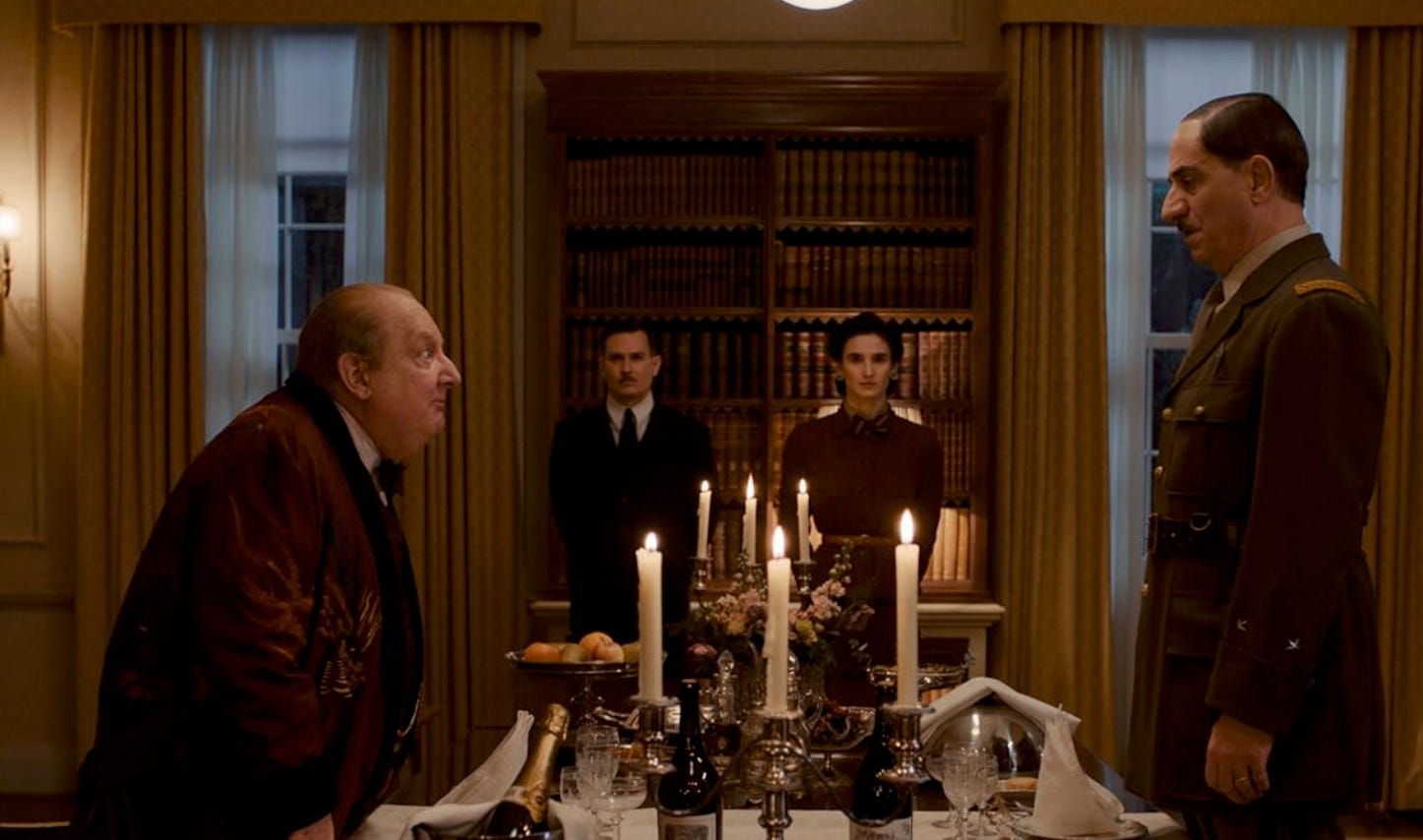
I watched the first De Gaulle film this week, a two-parter that has taken France by storm. I absolutely loved it, finding it both moving and at times very funny, in particular the relationship between the French and British leaders, played superbly by Simon Abkarian and Simon Russell Beale (mostly in French). But then, I am extremely sentimental about French patriotism and military dash, like many of my countrymen. I think this all stems from my parents forcing us to watch Casablanca as children, where they cried throughout the scene where ‘La Marseillaise’ is sung in Rick’s Café. Vive La France!
It’s coming home
The lamest xenophobic joke in the world involves the theme that the French are ‘surrender monkeys’ and inept at war, bizarre considering that they are historically the most belligerent people in Europe. Why do you think all our military terms come from French? It’s because they successfully conquered England and formed a violent aristocracy for centuries.
On that subject, the Bayeux Tapestry has arrived in London and opens to the public next week. I saw the tapestry - strictly speaking, an embroidery - in Normandy in 2022, but if you don’t manage to get a ticket, there is a replica in Reading.
Most likely made in Kent, the tapestry remained in obscurity in Bayeux cathedral until its discovery by historians in the 1720s. It was twice almost destroyed during the Revolution, first by soldiers who wished to cut it up in order to cover an ammunition wagon, then by local zealots who planned to use it as confetti in some demented ‘festival of reason’; a courageous local official intervened and saved it.
Later, Napoleon became interested, seeing as it portrayed a successful conquest of England, and had it brought to Paris. Interest in the tapestry continued to grow and in 1816 Charles Stothard, a draughtsman for the Society of Antiquaries in London, was commissioned to make drawings and write a commentary. This he did; he also stole a bit and took it home, this chunk ending up with the Victoria and Albert Museum, who handed it back in 1871 (however, by that stage, the segment had been replaced so it was never sown back in).
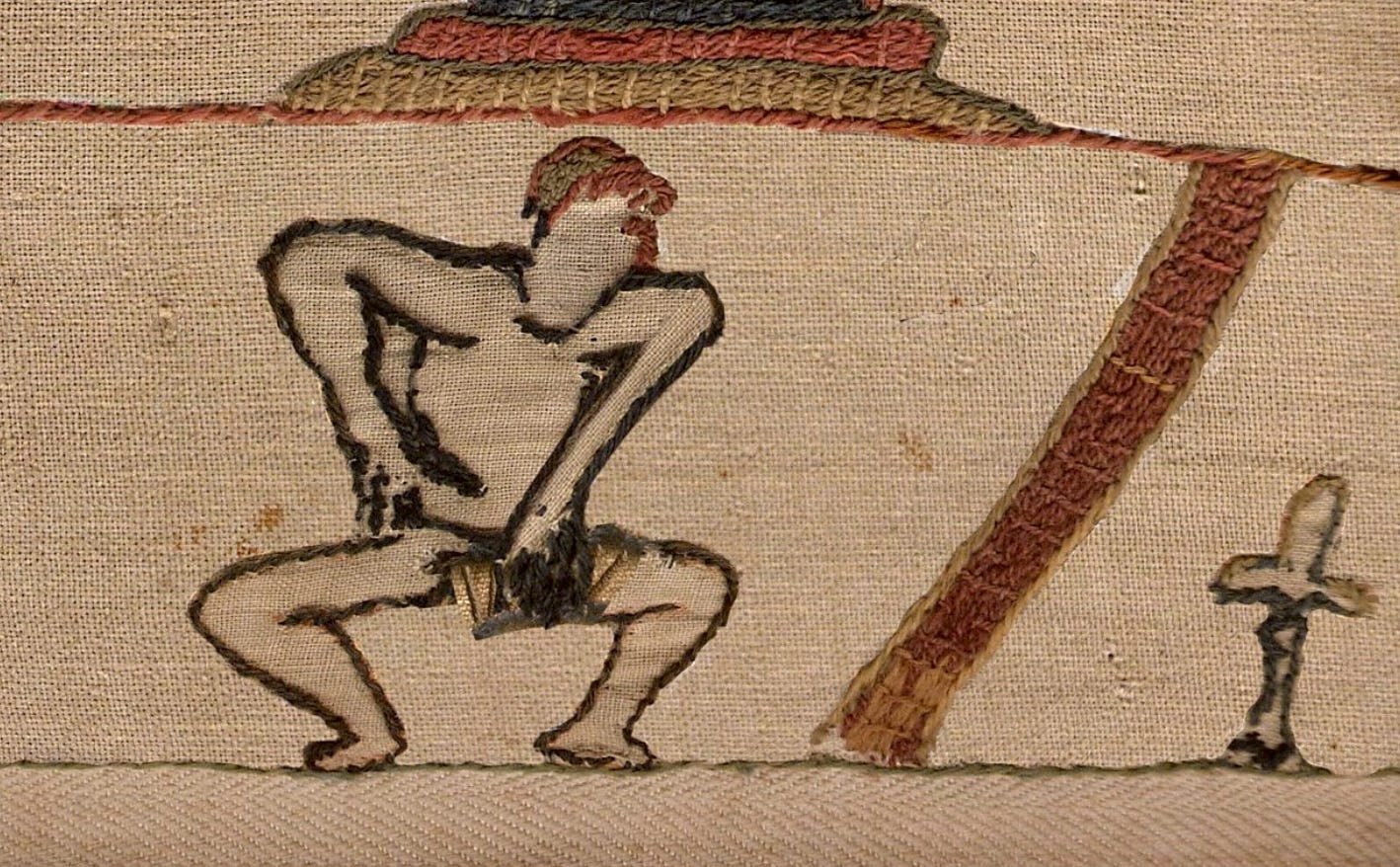
The tapestry contains many strange scenes. Where William takes Harold to the hall in Rouen, below them is a naked man wielding a tool and working on a wooden object, perhaps a coffin. In another, a woman named as Elfgifu appears with a priest placing a veil on her, and beneath them is another naked man with an erection mimicking the priest’s action. It’s some sort of in-joke which will remain lost forever.
In the 1880s a group of British women, led by one Mrs Elizabeth Wardle, set out to make a replica for England, but because sexual mores had changed somewhat in eight centuries, one of the naked men had his genitals removed, and the other had some underpants helpfully put on.
Since the last round-up, I’ve written about the problem with prosecuting people just for supporting Palestine Action. I wrote about how social cohesion would be helped by not allowing violent men to be at liberty (it was later revealed that large numbers involved in the Henry Nowak disturbances had been reported for domestic abuse).
I wrote about the Greatest Norwegian, Harald Hardrada (free), and about the relative improvements in airline safety vs public safety. I appeared on Louise Perry’s podcast talking about Ann Widdecombe, and I wrote about Christopher Nolan’s Odyssey (also free).
I wrote about the Riddle facing new prime minister, and speculated as to why Manchester and Liverpool both have such strong musical traditions. Some of the replies make the plausible argument that in Manchester’s case it’s simply down to Tony Wilson, an interesting example of the Great Man of History theory.
It’s notable that, as much as I loved heavy metal as a teenager (okay, I still do), Birmingham has produced nowhere near as much popular music; maybe its car domination reduces the development of an urban music culture, and that’s just another downside we can blame on the automobile menace. (You can’t be a proper commentator until you can shoehorn all social ills into one of your pet obsessions).
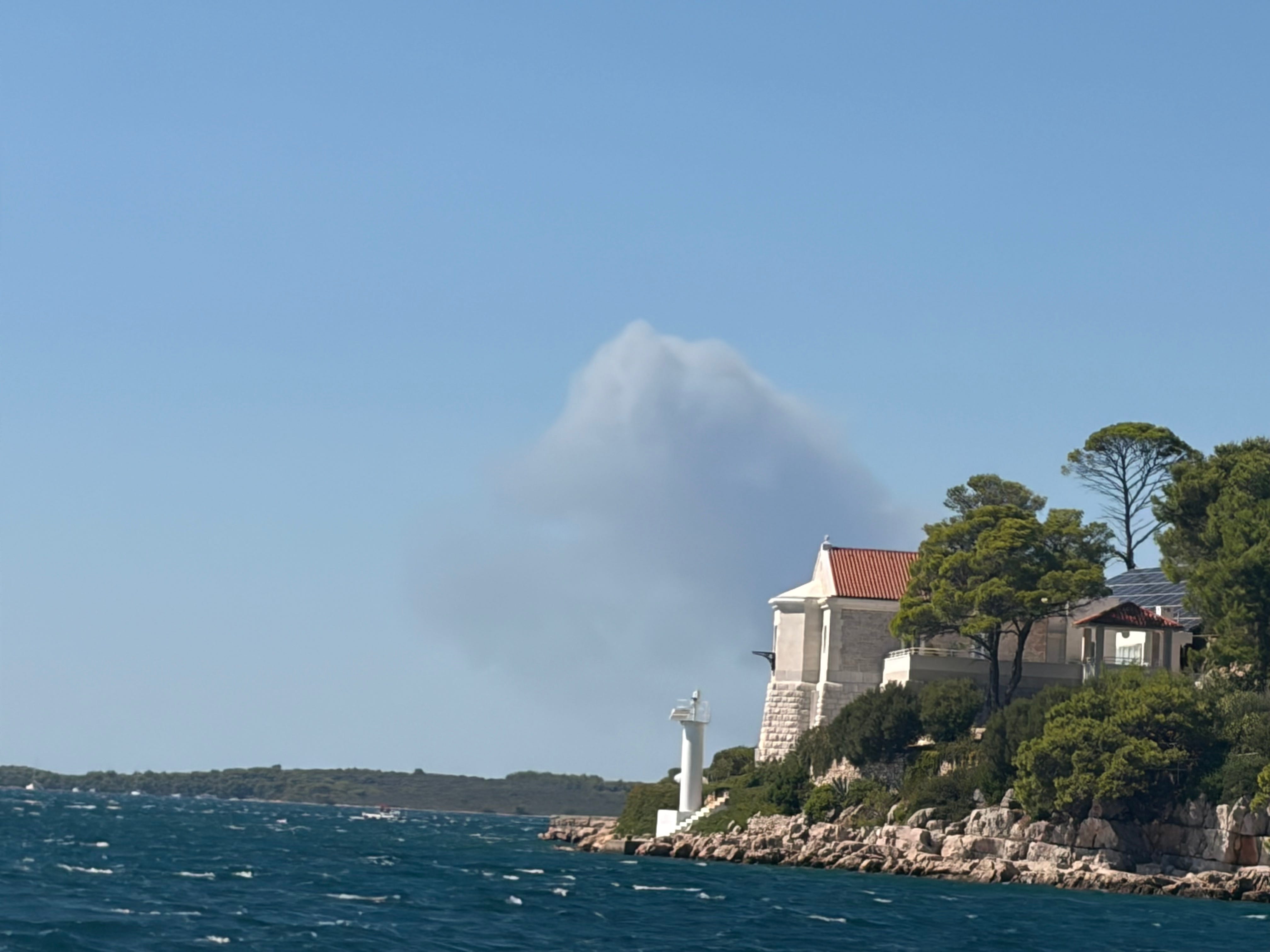
On a similar note, I wrote about the historical North-South divide in England (free), and the overwhelming economic pull of London. I wrote about aircon during Britain’s intense heat wave, and apparently more deaths were recorded in Wallonia during the peak of June’s heat wave than on any day during the pandemic. I know that I have a slight tendency to pessimism, but I do find this all fairly alarming, especially after seeing wildfires in Croatia. And before anyone accuses me of hypocrisy, yes we all cycled to the Balkans, obviously. Anyway, let’s hope those electric aeroplanes can be expanded rapidly.
I wrote about the fraying of the social contract, global migration in the 2020s, Ben Mcintyre’s Colditz, and the link between communication revolutions and the political variety.
I also wrote about Denmark, a country I hugely admire (free), although I should also give a shout-out to the marvellous Norwegian countryside. The view from the Oslo-Bergen train on its final approach really is heavenly.
Finally, August was dominated by the Jason Arday affair; in my piece I mentioned Marie Sophie Hingst, the German blogger who faked a Holocaust memoir, but she was not alone: many ‘misery memoirs’ turned out to be fraudulent, including two other Holocaust tales, one of which had the improbable story of a child being raised by wolves. From what I remember, many other books in that genre turned out to be rather expansive with the truth, so Arday’s story can be placed in that tradition.
People handle this sort of humiliation in different ways, but in an age where public shaming is the preferred method of moral enforcement, rather than any internal guilt mechanism, shamelessness is a bit of a superpower. The ability to ignore unwelcome attention and not abide by fickle and inconsistent public morality is an incredible strength; that in part explains the success of Donald Trump.
Elsewhere
Alice Evans on what Indian women made of life in Victorian England, and how much freedom their sisters had. She also wrote about non-western travellers and their views of how European treated women.
Fred Sculthorp on CourtNewsUK.
For instance, who can forget the recent story that broke courtroom containment concerning the pair of illegal migrants from Afghanistan, who raped a woman by knifepoint as she and her boyfriend lay stargazing in a park in Barking? Here’s another: “son murders mother in Haringey” would barely bat an eyelid as a headline. But what if you found out that after he had beaten her to death, he continued to paint her toenails, turned the decomposing body in the master bedroom into a dedicated shrine and used her credit card to see Tina: The Tina Turner Musical?
Many of you will have followed the discourse about ‘Woke 1’ being crazy, so it’s worth resharing this classic NS Lyons post about why it hasn’t gone away.
Henry Jeffreys on why alcohol is civilisation. I think the idea that bread and cities are a by-product of people trying to make beer, rather than the other way around, is very plausible. He also wrote about one of the greatest things in the world – French supermarkets. Vive Carrefour! Vive E. Leclerc!
Roger Moorhouse talks about life on board U-boats on the Subject to Change podcast. Riveting stuff, and terrifying. Perhaps the worst job in history.
Derek Hopper on how Thailand resisted colonisation.
In 1868, Mongkut extended invitations to British and French officials to observe a solar eclipse. This was a grand affair with pavilions and accommodation prepared for the attendees, the goal of which was to showcase Mongkut’s commitment to science. Mongkut accurately predicted the timing and location of the eclipse using a combination of traditional Thai timekeeping methods and Western astronomical techniques. According to some stories, his calculations were so precise that they trumped those of the French astronomers present.
The Siamese court knew what to perform to whom. France had long considered science to be the true marker of civilization, while Britain championed international law and free trade. Mongkut demonstrated Siamese civilization through measures that European powers used to justify colonization elsewhere
Will AI discover animal language? I’m sceptical, but a very interesting idea.
The new cancer vaccine looks very interesting. Jonathan Leaf writes about it here.
Nine out of 10 of Britain’s bestselling paperback novels feature the murder of a woman.
I only recently learned that Americans are still using purple hearts minted for the invasion of Japan. It’s why I didn’t find Christopher Nolan’s last film, Oppenheimer, that compelling, and felt that Harry Truman was the real star.
Alan Macfarlane, author of the immensely interesting The Origins of English Individualism as well as The Savage Wars of Peace, is a big social media figure in China.
How to build tunnels like Norwegians.
And how to act generously like Swedes: ‘In 1959, Volvo engineer Nils Bohlin developed the modern three-point belt, and on August 13 of that year, the company sold the first car fitted with one, a PV 544, to a customer in Sweden. The invention is credited with saving more than one million lives, and Volvo later opened the patent to every competitor, rather than charging for it.’
I wrote about land acknowledgments last year and completely missed that the Goethe Institute did one for the ancient Slavic tribes of what is now Berlin.
A thread of prominent university architecture departments. Yep, as you’d expect.
A nice way of visualising Columbus’ voyages, literally into the unknown.
Finally…
Neil O’Brien on German idioms and terms, among them:
Verschlimmbesserung: an improvement that actually makes things worse
Fremdschämen: the cringe you feel on someone else’s behalf when they embarrass themselves.
Kummerspeck: “grief bacon”, the weight you put on from comfort-eating through emotional distress.
Torschlusspanik: “gate-shut panic”, anxiety, often about life milestones, that time is running out and the doors are closing.
Kopfkino: “head cinema”, the involuntary film your imagination screens for you, usually anxious or embarrassing scenarios playing on a loop.
Have a great day - and don’t forget to not unsubscribe!
Good luck on your break, Ed (I assume you're standing in the Holborn and St Pancras Byelection and look forward to you being in Parliament soon(.
Ed, if you could write a short book, that would be excellent. Gets you on the podcast circuit which will increase your Substack subscriptions.
As Conor said, your productivity is mind boggling. I have had several subscriptions and nobody is as prolific as you. Best content out there!